Heavy Duty Towing of the West
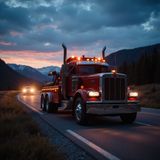
Professional Towing in the Colorado Mountains
Light Duty Towing
We provide prompt towing for cars, motorcycles, and small vehicles, ensuring safe transport with minimal wait times.
Medium Duty Towing
Our medium duty service handles vans, box trucks, and similar vehicles, equipped to manage moderate loads efficiently.
Heavy Duty Towing
Specialized towing for large trucks, buses, and heavy equipment, using advanced rigs designed for substantial weight and size.
Emergency Towing
Available 24/7, our emergency towing team responds quickly to accidents, breakdowns, and severe weather conditions.
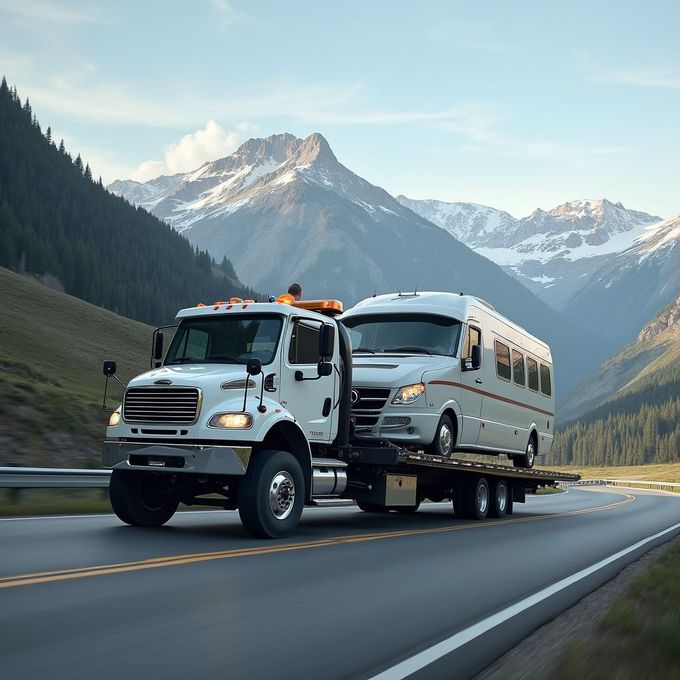
Towing Company Near The Mountains
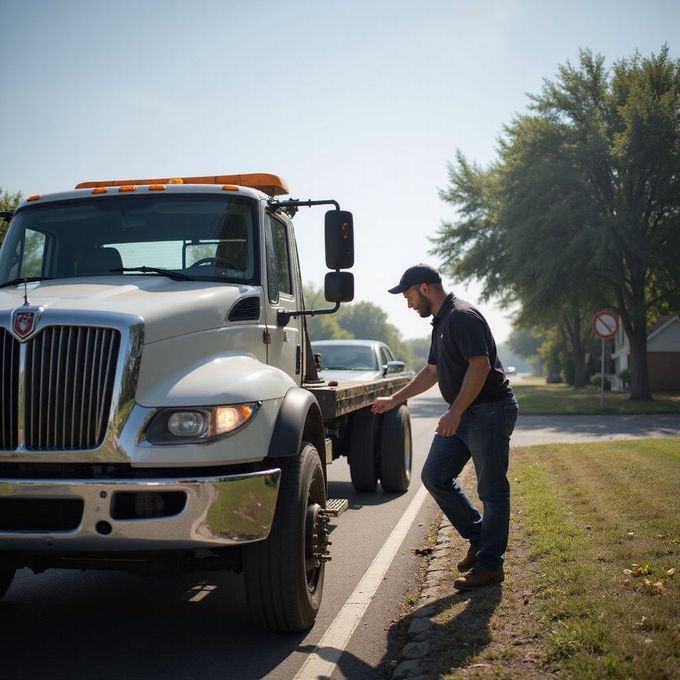
Towing And Recovery Service Capable For Anything
When you need the real deal, call us for your towing and recovery needs. We have best tow truck fleet in the state and expert driver/operators to get any job done.
We do things right which saves our customers further complications and damage. We have decades of experience towing in the mountains of Colorado.
When you call, we will get a few details and get the most appropriate tow truck out to you asap!
Call for a free no-obligation quote today.
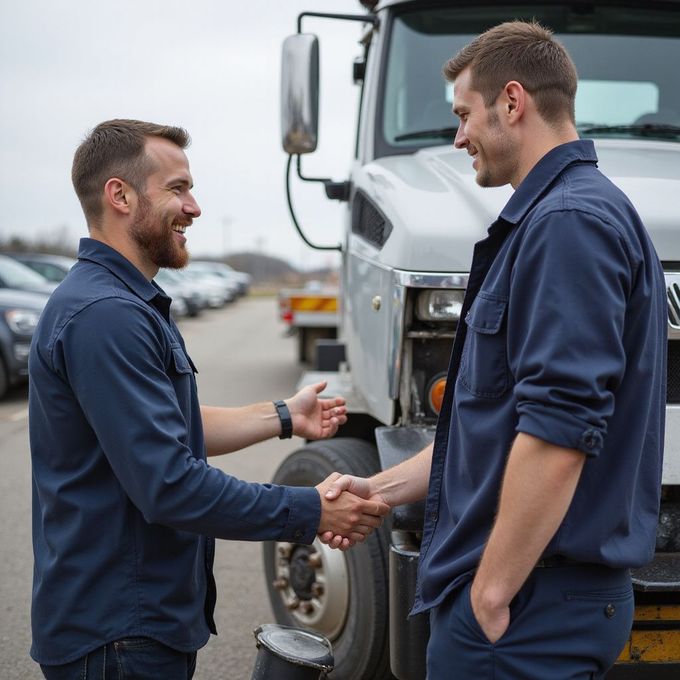
Reliable & Trustworthy Towing
We believe professionals should act like it. The people we have helped out are never disappointed because we consistently get the job done well. We know that most people calling for a tow truck are under enough stress which is why we focus on solving your problems, not adding to them like other, less-capable services.
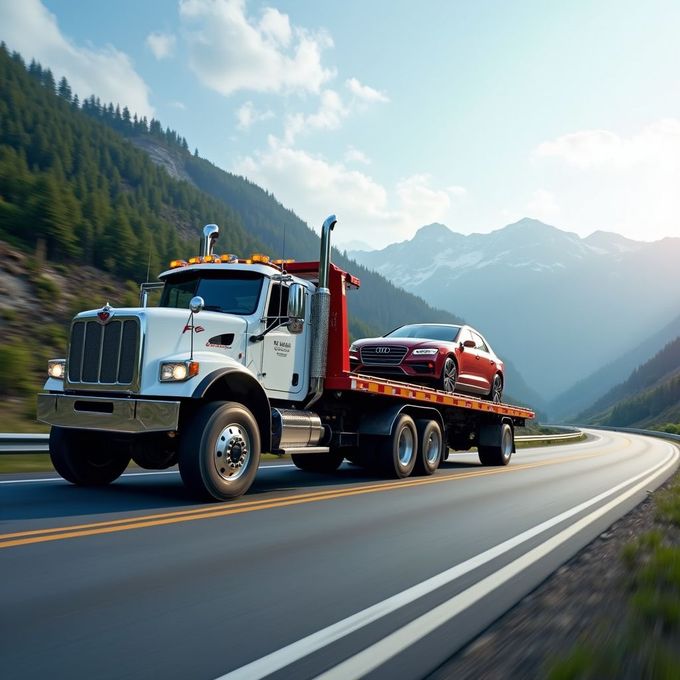
Roadside Assistance
Need a jump start? Got a flat tire? Stuck in the mud? Out of gas? We can help you out. Just call us for a free quote. We prioritize emergency situations but are happy to help out with common roadside dilemmas whenever we can. We know that you need to get going again as soon as possible which is why we have a fleet of trucks and drivers.
We are here for your roadside assistance needs.
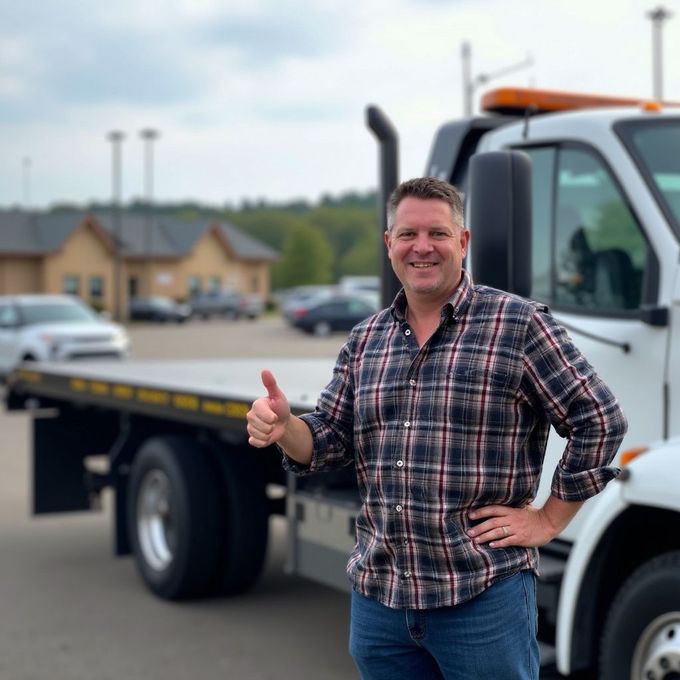
High End Transport
Do you need to transport a special car? When you need to move a highly valuable vehicle safely, call in our flatbed tow trucks. We take the utmost care in our transportation services. Our operators are trained and experienced in good loading, fastening, and unloading practices. In addition to this, you can rest assured because we are comprehensively insured! Beware: not all towing and transport service are. Avoid complications and issues by choosing a trustworthy, professional, insured service. We know that some vehicles are invaluable and cannot be replaced. We respect this and do everything possible to ensure safe transportation.
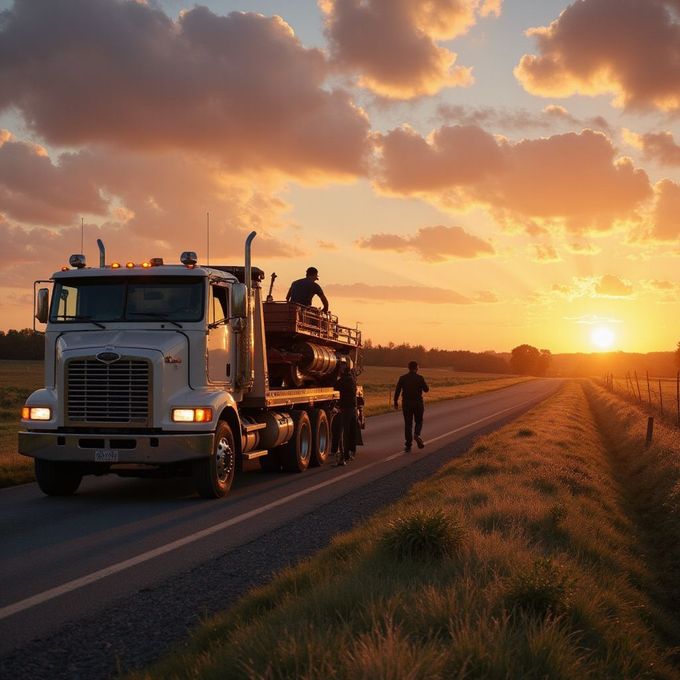
Winter Towing And Recovery Experts
Snow, ice, poor visibility, and driving result in troublesome incidents every winter. We have assisted with our fair share of winter recovery missions every season for over 8 years. We take everyone's safety seriously which is why we respond fast (but not driving too fast), set up road safety precautions, and execute recovery asap.
Sometimes the conditions are so icy that many people slide into bad situations and need a tow but we do our best to serve everyone in need we can. Everyone driving in winter conditions, especially in the mountains, should be aware of what makes for good traction and how to safely navigate without slipping into trouble. Learn more by reading below.
Heavy Duty Towing
Heavy-duty towing (17,000 pounds or complicated recovery) is a critical service which very few companies are capable of. Using inadequate machinery beyond its limits can easily create bigger problems for everyone. No one wants further damages, expenses, and time stuck out on the roadside. We are one of the only tow truck fleets capable of maneuvering huge amounts of weight safely. This is often needed in the mountains when super duty winching and craning is the only way to pull a vehicle back on the road.
We are the company that is called when trucks need a rescue. Be assured that we can handle any vehicle that you need towed.
We Want You To Stay Safe in Winter Weather and Slippery Conditions
Where Ice is likely:
- High Elevations
- Low lying areas (where puddles may form)
- Near Bodies of Water
- Bridges and Overpasses
- Shadowed Areas
Knowing that as you climb up in elevation there may be a freezing a point passed suddenly prepares you to handle corners and stopping distance.
Watch out for bridges and overpasses as they freeze before the rest of the road. This happens because ground temperature keeps the road surface warmer. In situations where there is no ground under the road, it get's colder more easily which means sudden loss of traction. This is a very common roll-over hazard. Clouds from bodies of water can waft over a road and freeze. Shadowed areas will be frozen when the sun thaws out other areas. Be mindful of this while driving.
Be prepared and keep these in your vehicle
1. Keep warm clothes and blankets/sleeping bags in your vehicle.
2. Stock some non-perishable food like nuts as well as extra water.
3. Flashlight, candles, and basic tools are a great idea too.
4. Make sure your spare tire is inflated properly and ready to be used.
5. A mobile battery jump kit and air compressor like this one is very handy. You can help your friends and folks in need with this, saving yourself and others hours of being stuck in the cold and hundreds of dollars in roadside assistance fees. If you don't have a kit in your car, you can call someone and wait for a jump start battery solution.
Winter Warnings
1. Avoid driving in harsh winter conditions as much as possible. Waiting until the roads are plowed, salted, and warmed up is a wise way to stay safe.
2. Check your tires are properly inflated and have adequate tread. Between September 1st & May 31st Colorado's Department of Transport requires drivers to use snow rated tires with a 3/16th inch tread depth or more.
Non-compliant drivers face fines between $130 & $650, not to mention safety risk.
3. Do not use cruise control when driving on slippery surfaces.
4. Never warm up vehicles in enclosed areas. The exhaust fumes can kill.
Warming up a vehicle in winter should be practiced for a few minutes before driving. This lubricates the engine and gets the vehicles ready for the stresses of driving.
5. If you have a rear wheel drive pick up truck, find out how much weight in your truck bed help you handle best. You may lose a little fuel efficiency but the trade-off for good handling and not getting stuck at the traffic lights is worth it.
Tips For Driving on Ice & Snow
Increase your following distance from 720-800-6789 seconds to about 6 seconds to give yourself time to adjust for expected and unexpected changes. This saves many end-to-end car collisions.
Be attentive and take it slow. Generally, going over 45mph in slick conditions is a very risky recipe. Drive with your full attention and take it easy, especially on the highways and by intersections.
What traction control technology is active in your vehicle? Anti-lock braking attempts to hold the road under the temptation to skid and slide. A fully locked wheel usually does not slow down as effectively as a gripped and gradually slowing counterpart on the same surface.
Balance Inertia. Avoid stopping as much as reasonable. Coming to a complete stop on a slippery surface may end up in you being stopped longer than expected. The balance of inertia is the critical factor in driving on slippery surfaces. Too much, and you are charging forwards out of control. Too little, and you may get stuck on the spot.
Give just the right amount of power when accelerating. Applying too much gas on slippery surfaces may make you go slower and often can make you strafe sideways. Feeling into your traction and slip point is a sense that gets developed in the attuned driver. Even though you may be tempted to boost up the hill to try to make it up, keeping steady traction on your drive wheels is critical.
Graceful accelerating and decelerating. The panic of hitting the brake hard to stop for a red light increases likelihood of slipping through. Feel graceful as you give yourself plenty of time to slow down slowly.
How to manage understeering
When you turn your wheels, but the car doesn't turn with them, this is called understeer. When you notice you aren't turning as much as you should be and feel the slip of your front wheels...
1. Unwind the steering wheel, aligning your wheels more with the direction your car is moving so they can gain traction.
2. Find traction, gently turn to where you want to go, and breathe.
How to get back in control if your rear wheels sliding out
When a vehicle's rear wheels start sliding out, it is called oversteering and there are a few factors that determine whether it ends up in a full spinout or gets back into control and safety.
1. Don't touch the peddles right away. Although most people gut reaction is to hit the brakes, this is most likely not in your best interests as it will encourage the wheels to continue sliding instead of gaining traction with your current speed.
2. Look where you want to go. Put your eyes on the prize, the safest part of the road you want to be going to, and you will generally steer towards it. Do not look at the thing you don't want to hit.
3. Practice effective counter-steering as best you can. Turn into the slide. If the rear wheels are sliding out to your left, turn left as soon as you notice and aim towards the safest part of the road. If the rear wheels slide right, swing the steering wheel right. This set up the car to come back into alignment and traction but it takes fast action and fine balance.
4. Do your best to not overcorrect your steering. As you counter-steer to prevent a spin out on one side, angular momentum will be developed and an over-correction will transfer the slide to the other side. This fishtail effect is the result of slight over corrections but if you keep counter-steering just right, the vehicle will straighten out.
Call Us When You Need A Rescue
We won't leave you stranded.
Even if you can get a ride, leaving your vehicle abandoned after it gets stuck or is in a wreck can have big consequences. It needs to be reported and any damages to signs and barriers must be handled appropriately too keep other road users safe. Fluid spills have to be handled correctly because of environmental contaminants as well as road hazards like oil slicks.
If you are unsure of what needs to be done, that's okay. Between us and the emergency services, we can handle the rest.
If you are simply stuck, we can get you moving again. We have the winches, cranes, jump start kits, and tools for all basic roadside assistance.
Just give us a call.
Where We Serve
We are the trusted towing company from Lakewood to Silverthorne. While we are willing to help folks out wherever they are and to get to, a long-distance service fee may apply.
Serving locals and visitors of the Colorado mountains with excellence:
Idaho Spring, Georgetown, Dillion, Black Hawk, Empire, Aspen Park, Evergreen, Berthoud Falls, Indian Hills, Morrison, Golden, Genesee, Upper Bear Creek, Silver Plume, Keystone, Montezuma, Loveland Ski Area, Frisco & more.
We are the clear Creek County & Summit County towing professionals. Save our phone number!
Contact Clear Creek County Towing
Contact Us
We will get back to you as soon as possible.
Please try again later.